Introduction
A persistent cough might seem like a minor annoyance, but when it lingers for weeks or months, it becomes something far more serious. Chronic coughing affects millions of adults, especially those over 40, and many don't fully understand the physical toll it takes on their respiratory system. Unlike a short-term cough triggered by a cold or flu, a chronic cough is relentless—sometimes lasting eight weeks or longer—and the continuous irritation and strain it causes can lead to significant lung damage over time. Understanding how does chronic cough damage lungs is the first step toward protecting your respiratory health and seeking appropriate treatment before lasting harm occurs. This article explores the mechanisms of lung damage, the warning signs you shouldn't ignore, and practical steps you can take to support your respiratory system.
Understanding Chronic Cough: Causes and Background
A chronic cough is typically defined as a cough lasting longer than eight weeks in adults, and it can stem from numerous underlying causes. Some of the most common culprits include postnasal drip, acid reflux (GERD), asthma, chronic bronchitis, and smoking-related lung disease. In older adults, medications like ACE inhibitors for blood pressure can also trigger a persistent dry cough as a side effect. Environmental factors play a significant role too—prolonged exposure to dust, pollution, mold, or occupational irritants can keep your airways inflamed and reactive.
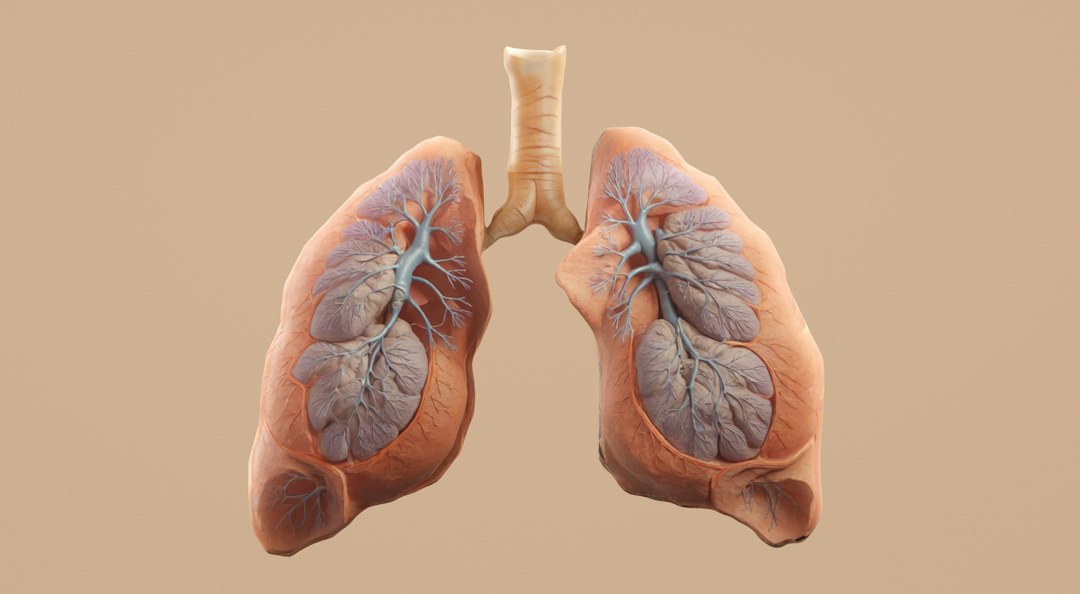
What many people don't realize is that the act of coughing itself, when repeated thousands of times over weeks and months, creates mechanical stress on lung tissue. Each cough generates sudden pressure changes and friction within the airways and alveoli (the small air sacs where gas exchange occurs). A 2019 study published in the American Journal of Respiratory and Critical Care Medicine noted that chronic inflammation associated with persistent coughing accelerates the breakdown of elastic fibers in lung tissue, reducing the organ's ability to stretch and contract efficiently. Over time, this repeated trauma can lead to airway remodeling—a process where the airways become scarred and narrower, making breathing progressively more difficult.
Understanding the root cause of your cough is essential because different causes require different treatment approaches. Whether your chronic cough stems from an underlying respiratory condition, environmental exposure, or a medication side effect, addressing the source is the most effective way to prevent ongoing lung damage. This is why a proper diagnosis from a healthcare provider should always be your first step when a cough persists beyond three weeks.
Signs and Symptoms: Recognizing Lung Damage in Progress
The damage caused by chronic coughing often develops gradually, which is why recognizing early warning signs is crucial. Beyond the obvious persistent cough itself, you may notice a change in the character of your cough—it might become deeper, more productive (involving mucus), or accompanied by wheezing or shortness of breath. Some people report chest pain or a raw, burning sensation in the throat and upper airways, which occurs because the constant friction damages the delicate mucous membranes lining these passages.
As lung tissue gradually loses its elasticity and airways become scarred, you might experience increased breathlessness during activities that previously felt easy—climbing stairs, walking briskly, or carrying groceries. This symptom, called dyspnea, is a red flag that your lungs' efficiency is declining. A 2020 study in Respiratory Medicine found that adults with chronic cough lasting more than six months showed measurable reductions in lung function tests (FEV1 scores), indicating that structural damage was already underway.
Additional warning signs include coughing up blood (hemoptysis), recurrent respiratory infections, unexplained fatigue, and waking at night due to coughing fits. Some people develop a hoarse voice from the constant strain on vocal cords, or they notice their cough is triggered more easily by cold air, exercise, or lying flat. Night sweats can also accompany certain chronic cough conditions. If you experience any combination of these symptoms, it's important to consult your doctor promptly. Don't wait for symptoms to worsen—early intervention can halt or slow the progression of lung damage and prevent complications like bronchiectasis (permanent dilation of airways) or chronic obstructive pulmonary disease (COPD).
The Impact of Chronic Coughing on Daily Life
Living with a chronic cough extends far beyond physical discomfort. The constant irritation and coughing episodes can severely disrupt sleep, leaving you exhausted and less able to fight off infections or manage stress. Poor sleep quality is linked to weakened immune function, which paradoxically makes you more vulnerable to respiratory infections—a vicious cycle that can worsen your cough.
Socially and emotionally, chronic cough can be isolating. Many people with persistent coughs feel embarrassed coughing in public, during meetings, or in quiet settings like theaters or restaurants. This social anxiety can lead to withdrawal and reduced quality of life. Work productivity often suffers as well; frequent coughing breaks and the mental fatigue from poor sleep make concentration difficult.
Physically, repeated coughing creates secondary problems: chest wall pain from muscle strain, urinary incontinence in some cases (from sudden pressure spikes during coughs), and the potential for hernias. The psychological stress of dealing with a chronic health condition can elevate cortisol levels, further suppressing immune function and slowing tissue healing. How chronic cough damages not just your lungs but your overall wellbeing underscores why addressing it promptly is so important.
Natural Approaches and Lifestyle Modifications
While treating the underlying cause of your cough is essential, several lifestyle strategies can help reduce irritation and support your lungs' natural healing capacity. First and foremost, eliminate or minimize exposure to known irritants. If you smoke, quitting is the single most important step you can take—smoking perpetuates inflammation and prevents the airways from healing. Even secondhand smoke exposure should be avoided.
Humidity is your friend when dealing with a chronic cough. Dry air irritates already-inflamed airways, so using a humidifier in your bedroom can ease nighttime symptoms and reduce coughing fits. Aim for indoor humidity between 40-50%. Staying well-hydrated is equally important; drinking adequate water helps thin mucus and keeps the mucous membranes lining your airways moist and resilient. Warm beverages like herbal teas can be particularly soothing.
Avoid known triggers. If your cough worsens with cold air, wear a scarf over your mouth during winter. If certain foods or drinks trigger reflux (which worsens cough), eliminate them. Many people find that eating smaller, more frequent meals and avoiding eating close to bedtime helps reduce GERD-related coughing. Elevating your head while sleeping can also help prevent reflux-triggered nighttime coughs.
Gentle neck and chest stretches, along with deep breathing exercises, can help relax tense muscles and improve airflow. However, avoid strenuous exercise while your cough is acute; once it begins to improve, gradual return to moderate activity supports respiratory recovery. Finally, managing stress through meditation or gentle yoga is beneficial, as stress-related tension restricts breathing and can trigger coughing episodes.
Nutritional Factors and Dietary Support
What you eat plays a significant role in supporting lung health and reducing inflammation. Certain nutrients are particularly important for maintaining healthy airways and supporting the immune response that helps control infection-related coughs. Vitamin C is a powerful antioxidant that supports immune function and helps reduce airway inflammation. Studies suggest that adequate vitamin C intake is associated with better lung function, particularly in adults over 50. You'll find it in citrus fruits, berries, bell peppers, and leafy greens.
Vitamin D deficiency is common in adults with chronic respiratory conditions, and research published in the Journal of Clinical Medicine shows that adequate vitamin D levels correlate with better lung function and reduced risk of respiratory infections. Fatty fish like salmon and mackerel are excellent sources, as are egg yolks and fortified dairy products. Safe sun exposure also boosts vitamin D synthesis in the skin.
Antioxidants from foods like dark leafy greens, berries, and cruciferous vegetables (broccoli, Brussels sprouts) help combat oxidative stress in lung tissue, which accelerates with chronic inflammation. Omega-3 fatty acids found in fish, flaxseed, and walnuts have anti-inflammatory properties that may help reduce airway inflammation. Ginger and turmeric contain compounds with documented anti-inflammatory effects and have been traditionally used to soothe coughs for centuries.
Zinc is essential for immune function and wound healing in the respiratory tract; sources include oysters, beef, pumpkin seeds, and chickpeas. A deficiency in B vitamins can impair energy metabolism and immune response, both critical for recovering from respiratory stress. This is why many adults turn to targeted supplementation—Lungora combines key nutrients and botanical compounds specifically chosen to support respiratory health, making it easier to ensure you're getting the right nutritional foundation alongside dietary improvements.
Frequently Asked Questions
Can a chronic cough permanently damage my lungs?
Yes, prolonged chronic coughing can cause permanent structural changes if left untreated. Repeated mechanical trauma and chronic inflammation can lead to airway remodeling, scarring, and loss of elastic tissue. However, if you address the underlying cause early—typically within the first few months—much of this damage can be prevented or minimized. The longer a chronic cough persists untreated, the greater the risk of irreversible changes.
How quickly does lung damage from chronic coughing develop?
Lung damage is usually a gradual process, which is why early intervention matters. Research indicates that measurable changes in lung function can occur within 6-12 months of persistent coughing, but the rate varies depending on the cough's severity, underlying cause, and individual factors like smoking status and age. Younger, healthier individuals may tolerate chronic cough slightly better, but damage occurs in all age groups.
Is a dry cough more damaging than a productive one?
Both types cause damage, but through different mechanisms. A dry cough creates repeated friction and irritation without producing protective mucus, so the airway tissues bear the full mechanical impact. A productive cough (with mucus) indicates infection or excessive inflammation, which damages tissue through chemical irritation and immune response. Either way, chronic coughing—wet or dry—warrants medical evaluation and treatment.
Taking Action for Your Respiratory Health
Understanding how does chronic cough damage lungs empowers you to take your health seriously and seek treatment promptly. Don't dismiss a persistent cough as just an annoying symptom—recognize it as your body's warning signal that something needs attention.
If you've been dealing with a chronic cough and have addressed the obvious medical causes, supporting your lungs nutritionally can be a valuable additional step. Lungora is formulated with the key nutrients and botanicals discussed in this article to help support respiratory health from within. Explore the full ingredient breakdown to see if it aligns with your health goals.