Introduction
Chest congestion is one of the most common complaints we hear as we get older. Whether it's lingering from a cold, triggered by seasonal allergies, or simply a symptom of changing weather, that tight, uncomfortable feeling in your chest can make breathing feel labored and sleep nearly impossible. The good news is that you don't necessarily need prescription medications to find relief. Learning how to clear chest congestion naturally using foods, remedies, and lifestyle adjustments can be both effective and gentle on your body. This article walks you through proven natural strategies that work, backed by research and practical enough to start today. Whether you're dealing with acute congestion or chronic issues, understanding what actually works—and why—can help you take control of your respiratory health.
Understanding Chest Congestion: What's Really Happening
Chest congestion occurs when mucus accumulates in your airways and lungs, creating that familiar tight, heavy sensation. This buildup happens for several reasons. During a cold or flu, your immune system ramps up mucus production to trap viruses and bacteria. Allergies trigger a similar response—your body produces extra mucus to protect your airways from pollen, pet dander, or other irritants. Environmental factors like dry air, pollution, or sudden temperature changes can also thicken existing mucus and make it harder to clear.
As we age, our lungs naturally become less efficient at clearing secretions. The tiny hair-like structures called cilia that normally sweep mucus out of your airways can slow down, especially if you smoke or have been exposed to smoke over time. Chronic conditions like asthma, COPD, or acid reflux can also create ongoing congestion. Additionally, dehydration plays a major role—when you're not drinking enough water, mucus becomes thicker and stickier, making it harder for your body to expel it naturally. Understanding the root cause of your congestion matters because it helps determine which natural remedies will work best for your situation.
Recognizing the Signs: How Chest Congestion Feels
Chest congestion presents differently from person to person, but there are common signs to watch for. The most obvious symptom is a feeling of heaviness or tightness in your chest, often worse when you lie down or take a deep breath. You might notice rattling or crackling sounds when you breathe—what doctors call "adventitious lung sounds." A persistent cough is extremely common, especially a wet cough that may bring up phlegm or mucus.
Other symptoms include shortness of breath or feeling like you can't quite catch your full breath, wheezing or a whistling sound when you inhale or exhale, and fatigue because your body is working harder to move air through congested passages. Some people experience mild chest discomfort or pain, especially when coughing. Temperature regulation can also be affected—you might feel alternately hot and cold as your immune system works. Post-nasal drip often accompanies chest congestion, where mucus drains from your sinuses into your throat, further irritating your airways. If congestion is severe or accompanied by high fever, confusion, or severe difficulty breathing, those are signs you should see a healthcare provider rather than rely solely on home remedies. Most cases of chest congestion, however, are mild to moderate and respond well to natural approaches designed to clear chest congestion naturally.
The Real Impact: How Congestion Disrupts Daily Life
Living with chest congestion affects far more than just your physical comfort. Sleep becomes difficult or nearly impossible when you're congested. Lying flat allows mucus to pool in your chest, so you end up propped on pillows, tossing and turning, and waking multiple times per night. Poor sleep then weakens your immune system, making it harder for your body to fight off the underlying infection or irritant causing the congestion in the first place.
During the day, the constant cough and effort to breathe can be mentally exhausting. Many people report difficulty concentrating at work or managing daily tasks when they're dealing with significant chest congestion. Social activities become less appealing—nobody wants to be the person constantly coughing in a meeting or restaurant. The physical act of coughing repeatedly can also cause muscle soreness in your chest and back, creating a secondary pain issue. For those over 40, congestion can be particularly bothersome because our respiratory systems are naturally less resilient than they were in younger years. The longer congestion persists without effective management, the more it impacts quality of life, which is why finding effective, natural ways to address it matters so much.
Natural Approaches and Lifestyle Changes That Make a Real Difference
The foundation of clearing chest congestion naturally starts with simple lifestyle adjustments that support your body's natural ability to clear mucus. Hydration is absolutely critical—drinking plenty of water thins mucus and makes it easier to cough up and expel. Aim for at least 8-10 glasses daily, and consider warm liquids specifically, as steam and warmth help loosen congestion further. Herbal teas like ginger, thyme, or eucalyptus provide additional benefits beyond hydration.
Humidity is your friend when dealing with congestion. Use a humidifier in your bedroom at night, or take a hot shower and breathe in the steam for 10-15 minutes. The moisture helps prevent mucus from drying and hardening in your airways. Gravity also matters—prop yourself up with extra pillows when sleeping or resting, which helps drainage and makes breathing easier. Gentle movement like short walks can help loosen congestion; staying sedentary allows mucus to settle. Avoid irritants like smoke, strong perfumes, and air pollution when possible, as these make congestion worse. Interestingly, research in the European Respiratory Review shows that sleeping position matters—side-sleeping can improve clearance compared to lying flat on your back. Finally, consider steam inhalation: add a few drops of eucalyptus or peppermint oil to hot water and breathe deeply for several minutes.
Healing Foods and Nutrients That Support Respiratory Health
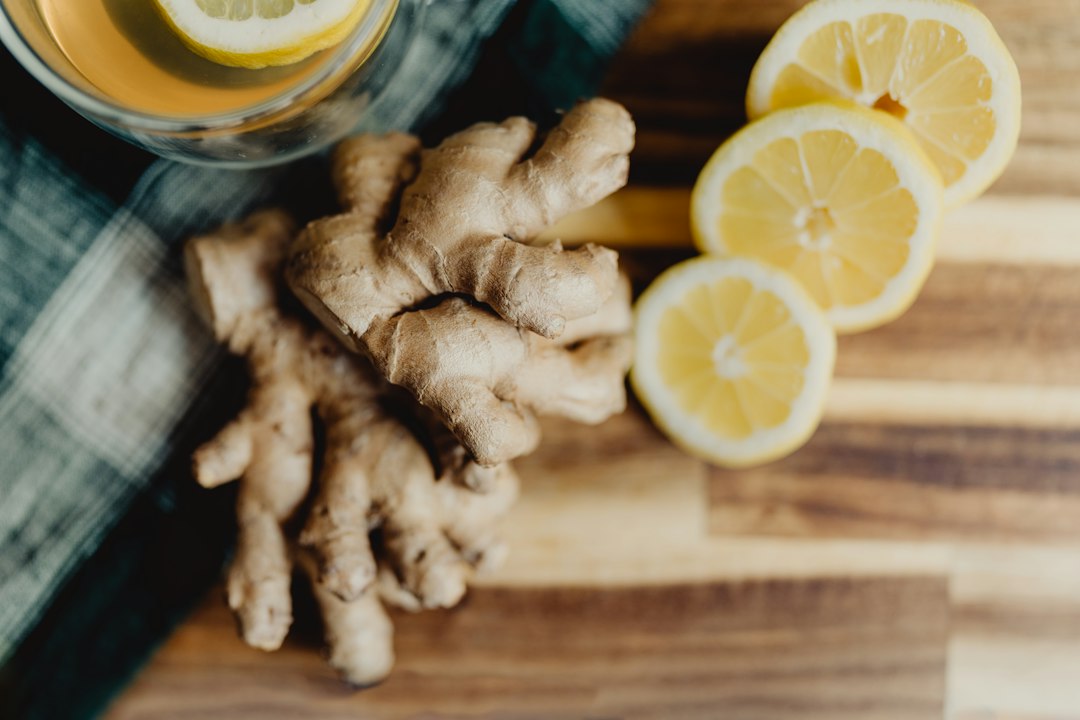
What you eat directly impacts your body's ability to manage congestion. Certain nutrients have proven anti-inflammatory and mucus-thinning properties that address congestion at the source. Ginger is perhaps the most well-researched—multiple studies show it reduces inflammation in airways and helps thin mucus. Fresh ginger tea or ginger added to meals provides real therapeutic benefit. Garlic contains compounds called sulfides that have antimicrobial and anti-inflammatory effects; raw garlic is most potent, though cooked garlic still offers benefits.
Honey is another powerful food remedy. A study in Chest Journal found that honey was as effective as some cough syrups at reducing nighttime cough in adults. Turmeric contains curcumin, a well-documented anti-inflammatory compound that reduces airway inflammation. Spicy foods like cayenne pepper and black pepper stimulate mucus flow and help clear airways. Citrus fruits and foods rich in vitamin C—like oranges, lemons, and bell peppers—support immune function and reduce inflammation. Leafy greens provide magnesium, which helps relax airway muscles. Omega-3 rich foods like fatty fish, flaxseeds, and walnuts have anti-inflammatory properties. Broths and bone broths provide hydration and collagen that supports lung tissue. When learning how to clear chest congestion naturally, incorporating these foods regularly creates a foundation that makes congestion less likely to develop or persist. For adults over 40, these nutrient-dense foods also support overall respiratory health and immune function, which tends to decline with age. If you find that dietary approaches alone aren't enough, nutritional supplements formulated with respiratory-supporting ingredients may provide additional support alongside these natural food sources.
Frequently Asked Questions
Q: How long does it typically take to clear chest congestion with natural remedies?
A: Mild congestion often improves within 3-7 days with consistent natural approaches like hydration, humidity, and dietary support. More stubborn congestion may take 2-3 weeks, especially if it's related to a lingering infection. If congestion persists beyond 3-4 weeks without improvement, consult a healthcare provider to rule out complications.
Q: Are there specific times of day when I should use these natural remedies?
A: Yes—consistency matters most. Use steam inhalation and humidifiers especially before bed to improve nighttime breathing. Drink herbal teas and eat congestion-clearing foods throughout the day. Taking ginger or honey in the evening can help reduce nighttime cough. Morning movement and positioning help mobilize overnight mucus accumulation.
Q: Can these natural approaches work alongside over-the-counter medications?
A: Generally yes, but there are exceptions. Natural hydration and steam work well with most medications. However, certain herbal remedies (like ginger in high doses) can interact with blood thinners or other medications. Always inform your healthcare provider about supplements and herbs you're using, especially if you're on prescription medications.
Moving Forward With Your Respiratory Health
Chest congestion doesn't have to control your life. By understanding the mechanisms behind congestion and applying evidence-based natural strategies—from hydration and humidity to therapeutic foods and lifestyle adjustments—you can effectively manage symptoms and feel better faster. The approaches outlined here work because they address the underlying issue: helping your body naturally clear mucus while reducing inflammation and supporting immune function.
Remember that how to clear chest congestion naturally often means combining several strategies rather than relying on a single remedy. What works best varies from person to person based on the cause and severity of congestion. Be patient with yourself—some days symptoms improve faster than others. If congestion is severe, recurrent, or accompanied by concerning symptoms like high fever or difficulty breathing, always consult a healthcare provider. For most cases of mild to moderate congestion, however, these natural methods provide real relief without the side effects of pharmaceutical options.
If you're dealing with ongoing chest congestion despite trying these natural approaches, targeted nutritional support may help fill gaps in your wellness routine. Lungora is formulated with ingredients researched for respiratory support, and you can read the complete breakdown of its nutrients and benefits on the homepage to see if it aligns with your health goals.