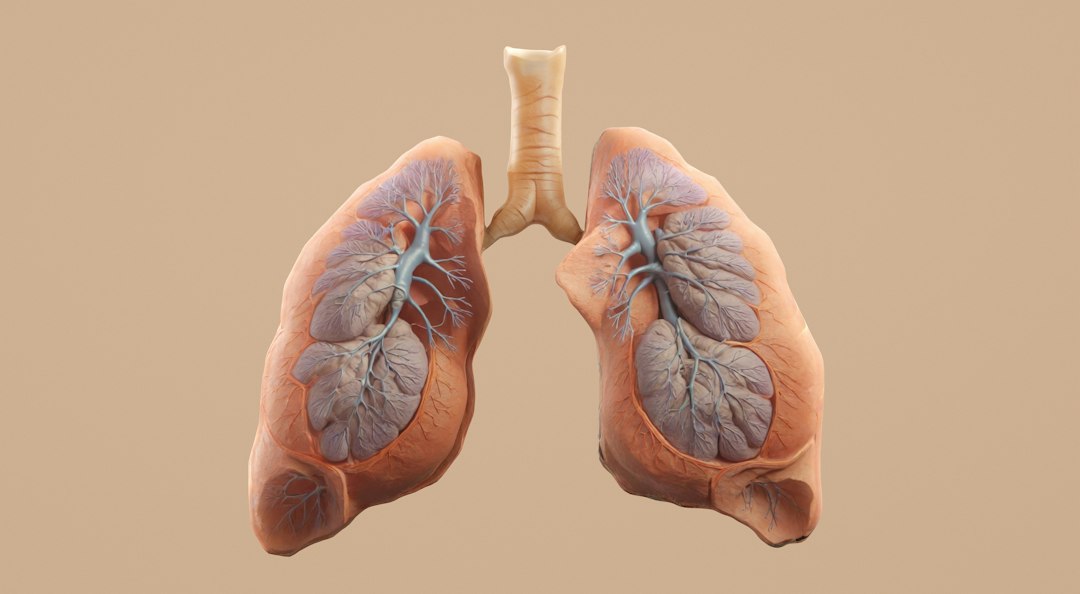
Introduction
Waking up with a persistent cough and that uncomfortable sensation of phlegm coating your airways is frustrating, especially when it lingers for weeks or even months. If you're searching for answers about why do I have phlegm in my lungs that won't go away, you're not alone. Millions of adults over 40 experience this stubborn symptom, and the reasons behind it are often more complex than a simple cold. Phlegm buildup can stem from various underlying conditions, lifestyle factors, and environmental exposures. Understanding what's causing your symptoms is the first step toward finding relief. This article explores the most common reasons phlegm persists in your lungs, what signs to watch for, and practical strategies to help clear it naturally. Whether your phlegm is a lingering aftereffect of illness or a chronic issue, knowing what drives the problem will help you take targeted action.
Common Causes of Persistent Phlegm Buildup
Phlegm production is a normal part of how your respiratory system works. Your lungs and airways produce mucus constantly to trap dust, bacteria, and other particles, keeping them from reaching deeper into your lungs. However, when this mucus builds up excessively or doesn't clear efficiently, it becomes phlegm that you feel in your throat and chest. Several conditions can trigger this problem.
Chronic bronchitis is one of the leading causes of persistent phlegm in adults. This condition, often linked to smoking history, causes inflammation in the airways and excessive mucus production. According to research published in the American Journal of Respiratory and Critical Care Medicine, chronic bronchitis affects roughly 9 million adults in the United States alone. Postnasal drip from allergies or sinus infections is another frequent culprit—mucus drains from your sinuses into your throat and lungs, creating that irritating phlegm sensation. Gastroesophageal reflux disease (GERD) can also play a role, as stomach acid irritates the airways and triggers extra mucus production as a protective response.
Environmental factors matter too. Exposure to air pollution, secondhand smoke, or occupational irritants can inflame your airways and increase mucus production. Even if you quit smoking years ago, your lungs may still be clearing out decades of accumulated damage. Asthma, emphysema, and pulmonary fibrosis are more serious conditions that frequently produce persistent phlegm. Infections—especially viral pneumonia or bronchitis—can leave your lungs overproducing mucus for weeks after the acute illness resolves. In some cases, medications like ACE inhibitors used for blood pressure can trigger a dry cough and increased mucus as a side effect.
Recognizing the Signs and Symptoms
Understanding what your body is telling you helps distinguish between normal phlegm and a potentially serious problem. Most people with persistent phlegm experience a chronic cough—typically worse in the morning or after lying down—because gravity and position changes mobilize the accumulated mucus. You might cough up phlegm that's clear, white, yellow, or greenish in color. The texture often feels sticky or thick, and the sensation can linger in your throat throughout the day.
Many adults report a rattling or wheezing sound in their chest, especially during or after physical activity. Some describe feeling like they're constantly trying to clear their throat or that something is stuck in their airway. Shortness of breath, fatigue, and chest tightness often accompany persistent phlegm, particularly in older adults. Sleep disturbances are common—the coughing and throat-clearing can wake you multiple times each night, leaving you exhausted during the day.
Pay attention to the color and consistency of your phlegm. Clear or white phlegm typically suggests viral infection or noninfectious causes like allergies. Yellow or green phlegm often indicates a bacterial infection requiring medical attention. If your phlegm contains blood, you should see a healthcare provider promptly. Brown or rust-colored phlegm might suggest old blood, sometimes associated with chronic conditions or previous infections. The duration matters too: phlegm lasting more than three weeks, especially without other cold symptoms, warrants professional evaluation. Some people experience phlegm production that varies seasonally, worsens with certain activities, or changes based on diet—these patterns offer clues about the underlying cause.
Impact on Daily Life and Quality of Sleep
Persistent phlegm doesn't just affect your respiratory system—it disrupts your entire quality of life. The constant coughing wakes you multiple times nightly, preventing the deep, restorative sleep your body needs to heal and function optimally. Sleep deprivation then weakens your immune system, making you more susceptible to new infections and slowing your recovery from existing conditions. Many people find themselves exhausted by mid-afternoon, struggling through work or daily activities.
Social situations become uncomfortable. You might hesitate to attend meetings, restaurants, or gatherings because you're self-conscious about coughing or needing to excuse yourself repeatedly. The constant throat-clearing creates embarrassment for many adults. Physical activity becomes harder—climbing stairs, exercising, or even walking briskly can trigger coughing fits. This often creates a vicious cycle: reduced physical activity leads to weaker lungs and poorer cardiovascular fitness, which makes it even harder to clear phlegm effectively.
The emotional toll shouldn't be overlooked. Months of dealing with uncomfortable symptoms erodes your mood and patience. Many people feel anxious about whether their condition might be serious, especially if why do I have phlegm in my lungs that won't go away remains unanswered. Productivity at work typically declines due to distraction, coughing, and fatigue. Some individuals report that constant throat-clearing causes hoarseness, making their voice sound strained or tired. Understanding that relief is possible and taking targeted action—rather than simply accepting phlegm as inevitable—helps restore both physical comfort and mental well-being.
Natural Approaches and Lifestyle Modifications
Before turning to medications, several lifestyle changes can significantly reduce phlegm buildup. Hydration is foundational—drinking adequate water throughout the day thins phlegm, making it easier to cough up and clear. Aim for at least 8-10 glasses daily, more if you're active. Warm liquids like herbal tea, warm lemon water, or broth are especially soothing and can help mobilize mucus. Steam inhalation is a time-tested remedy: breathe in steam from a bowl of hot water for 10-15 minutes several times daily, or use a humidifier in your bedroom to keep airways moist overnight.
Postural drainage—positioning your body to use gravity's help in clearing phlegm—works remarkably well. Sleeping with an extra pillow to elevate your head reduces mucus pooling in your lungs overnight. Some people find that lying on their side opposite to the affected lung, then gently tapping their chest, helps mobilize stubborn phlegm. Avoid lying flat on your back if possible, as this position encourages mucus accumulation.
Environmental control matters tremendously. If you smoke or are regularly exposed to secondhand smoke, quitting or removing yourself from that exposure is crucial. Use air purifiers to reduce dust, pollen, and pollutants that irritate airways. Keep humidity levels between 40-50%—too dry worsens phlegm, but excessive humidity promotes mold and dust mites. Avoid sudden temperature changes when possible, as moving between hot and cold environments can trigger coughing.
Gentle exercise promotes mucus clearance through improved circulation and stronger respiratory muscles. Walking, swimming, or cycling for 20-30 minutes most days helps your body clear phlegm more efficiently. Avoid intense exercise during acute flare-ups, but regular moderate activity accelerates recovery. Breathing exercises, particularly pursed-lip breathing and diaphragmatic breathing, strengthen your lungs and improve oxygen exchange. Finally, manage allergies and sinus issues—treating postnasal drip reduces the phlegm draining into your lungs from above.
Nutrients and Dietary Approaches That Support Lung Health
What you eat significantly influences how much phlegm your body produces and how efficiently it clears. Inflammatory foods can trigger excess mucus production, while nutrient-dense foods support lung function and immune response. Understanding these connections helps you make dietary choices that reduce phlegm naturally.
Vitamin C strengthens immune function and supports the mucous membranes lining your airways. A 2019 meta-analysis in Nutrients journal found that adequate vitamin C intake was associated with better respiratory function in older adults. Citrus fruits, berries, kiwi, and bell peppers are excellent sources. Zinc plays a crucial role in immune regulation and mucus membrane health. Oysters, beef, pumpkin seeds, and chickpeas provide bioavailable zinc that supports your body's ability to fight respiratory infections.
Certain foods have natural anti-inflammatory properties that can ease airway irritation. Ginger contains compounds that relax airways and reduce mucus viscosity—add fresh ginger to tea or cook with it regularly. Turmeric's active ingredient, curcumin, reduces inflammation throughout the respiratory tract. Garlic contains allicin, which has antimicrobial properties. Omega-3 fatty acids from fatty fish, flaxseeds, and walnuts actively reduce systemic inflammation.
Conversely, avoid or limit foods that increase mucus production. Dairy products, particularly for people with lactose sensitivity, can thicken phlegm and make it harder to clear. Processed foods high in refined sugar and unhealthy fats promote inflammation. Alcohol can dehydrate your body and inflame airways. Some people notice that spicy foods temporarily increase phlegm, though others find that spice helps clear congestion. Keep a food diary to identify your personal triggers. Many people find that combining dietary improvements with a targeted supplement approach addresses multiple factors driving persistent phlegm production simultaneously.
Frequently Asked Questions
Q: How long is it normal for phlegm to persist after a cold or flu?
A: While most acute symptoms resolve within 1-2 weeks, lingering phlegm can persist for 3-6 weeks after viral illness, especially in adults over 40. This occurs because airways remain inflamed and hyperreactive. If phlegm continues beyond six weeks with no improvement, consult your healthcare provider to rule out secondary bacterial infection or underlying chronic conditions.
Q: Does coughing up phlegm help clear it, or does it make things worse?
A: Productive coughing—coughing that brings up phlegm—actually helps clear your lungs and is beneficial. Your body's cough reflex exists precisely for this purpose. However, constant dry coughing that produces nothing can be irritating and exhausting. Focus on staying hydrated and using steam inhalation to make phlegm looser and easier to expectorate.
Q: When should I see a doctor about persistent phlegm?
A: Seek medical evaluation if phlegm persists longer than three weeks, changes color to yellow or green, contains blood, accompanies fever or chest pain, worsens progressively, or causes shortness of breath. If why do I have phlegm in my lungs that won't go away remains mysterious despite trying home remedies for several weeks, professional diagnosis becomes important to identify any underlying conditions requiring treatment.
Taking the Next Step
Dealing with persistent phlegm that won't go away can be frustrating and exhausting, particularly when lifestyle changes alone don't seem sufficient. While the strategies in this article address many contributing factors, some adults find that targeted nutritional support makes a meaningful difference. Learn more about Lungora and how its formula is designed around the nutrients and approaches discussed here to see if it aligns with your respiratory health goals.